Astryx Meetup: Are Design Systems Still Valuable?
Lessons and community perspectives from our November 12 meetup in San Francisco on building design systems for people and agents.

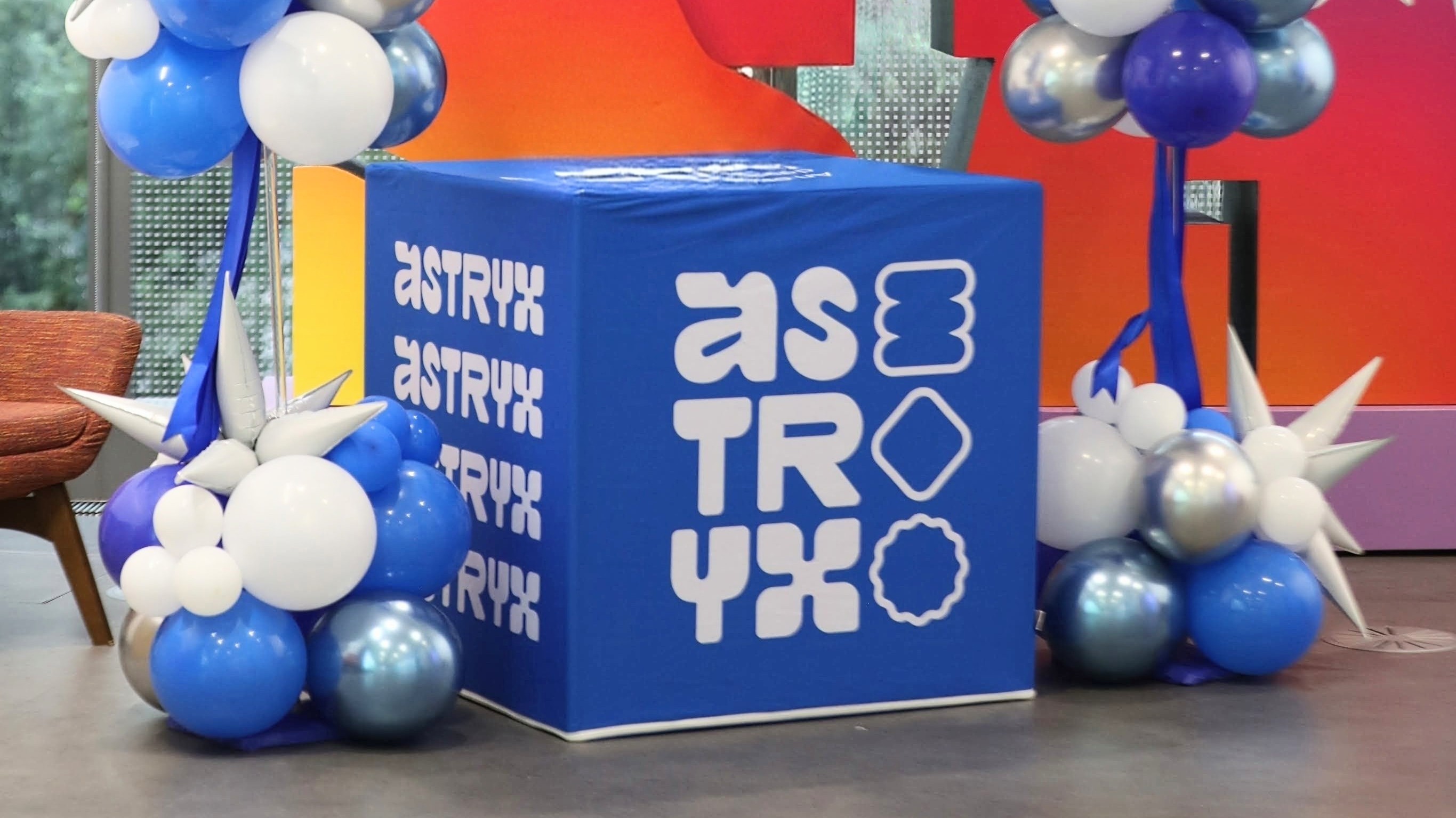
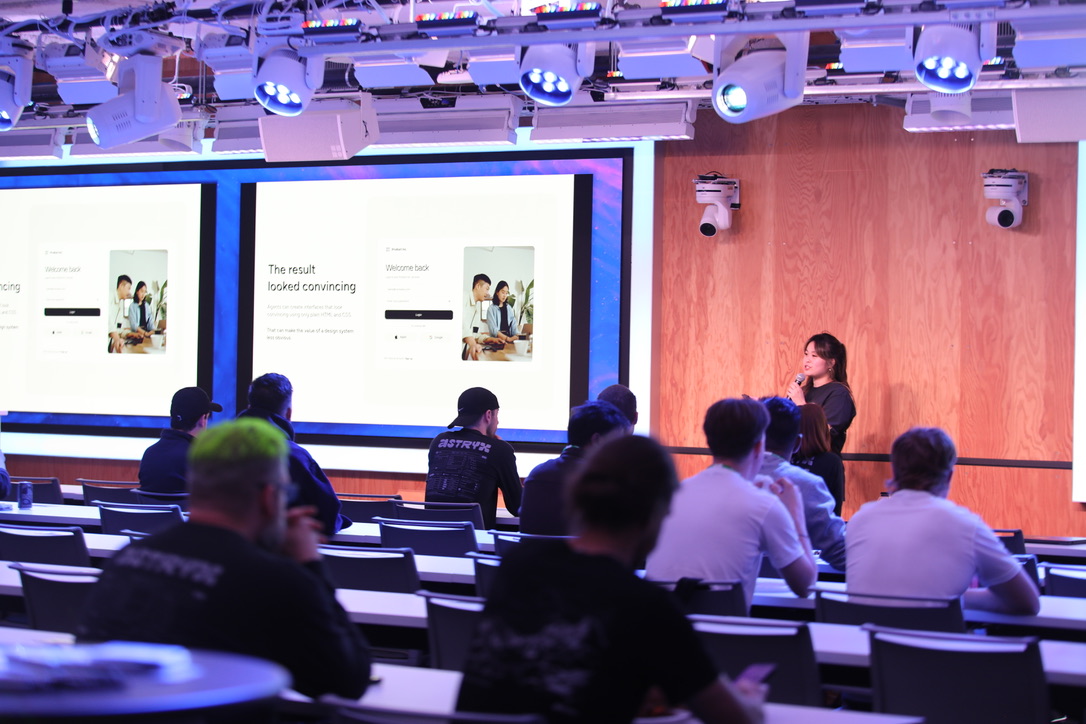
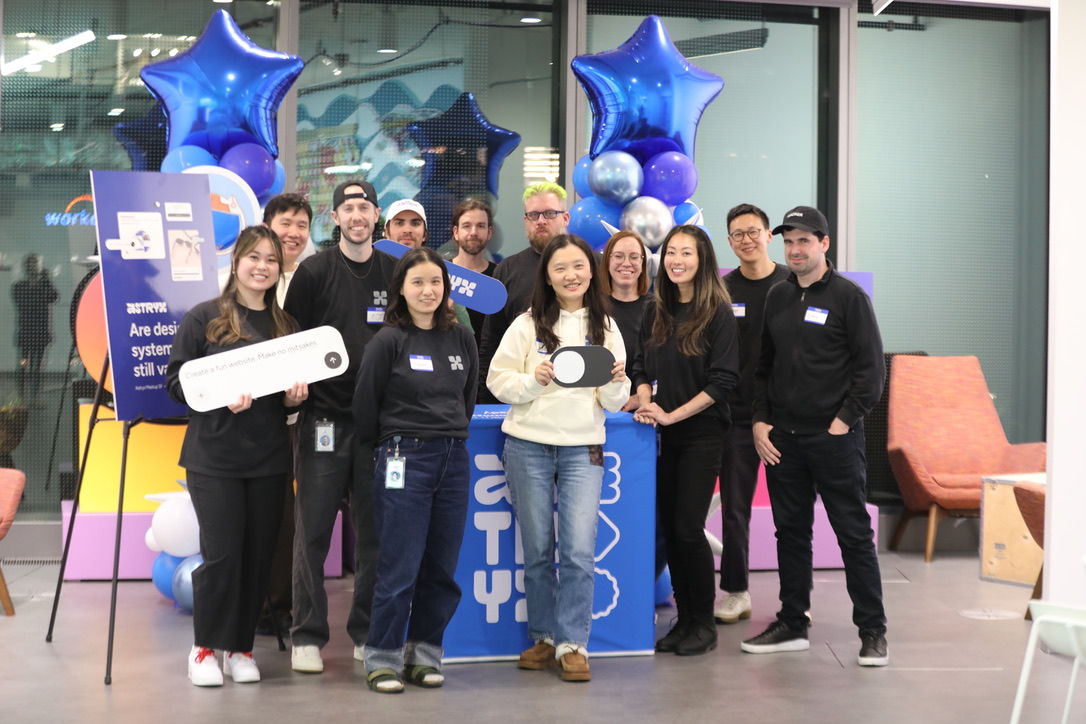
On November 12, we welcomed members of the Bay Area design-systems community to Meta San Francisco for an evening about building design systems for people and agents. The room brought together design-system practitioners, product designers, front-end engineers, Astryx contributors, and people exploring how agents are changing the way interfaces are built.
The evening centered on a question that has become increasingly relevant: Are design systems still valuable when agents can generate convincing interfaces on their own?
The Astryx team shared lessons from building an open-source system for both people and agents. We discussed why convincing output is not always trustworthy, and how the right guidance, meaningful constraints, evaluation methods, and feedback loops can improve what agents build. Examples from Astryx showed how clearer component APIs can prevent incorrect assumptions, how constraints can protect accessibility requirements, and how evaluation can reveal whether a problem belongs to the agent, the implementation, or the design system itself.
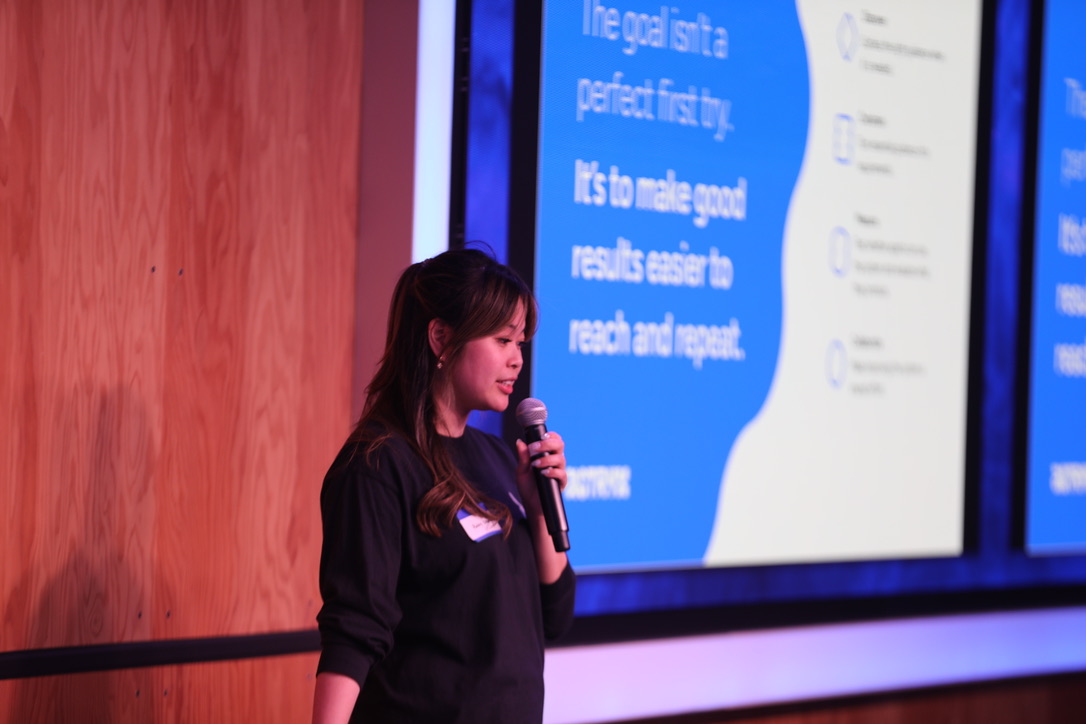
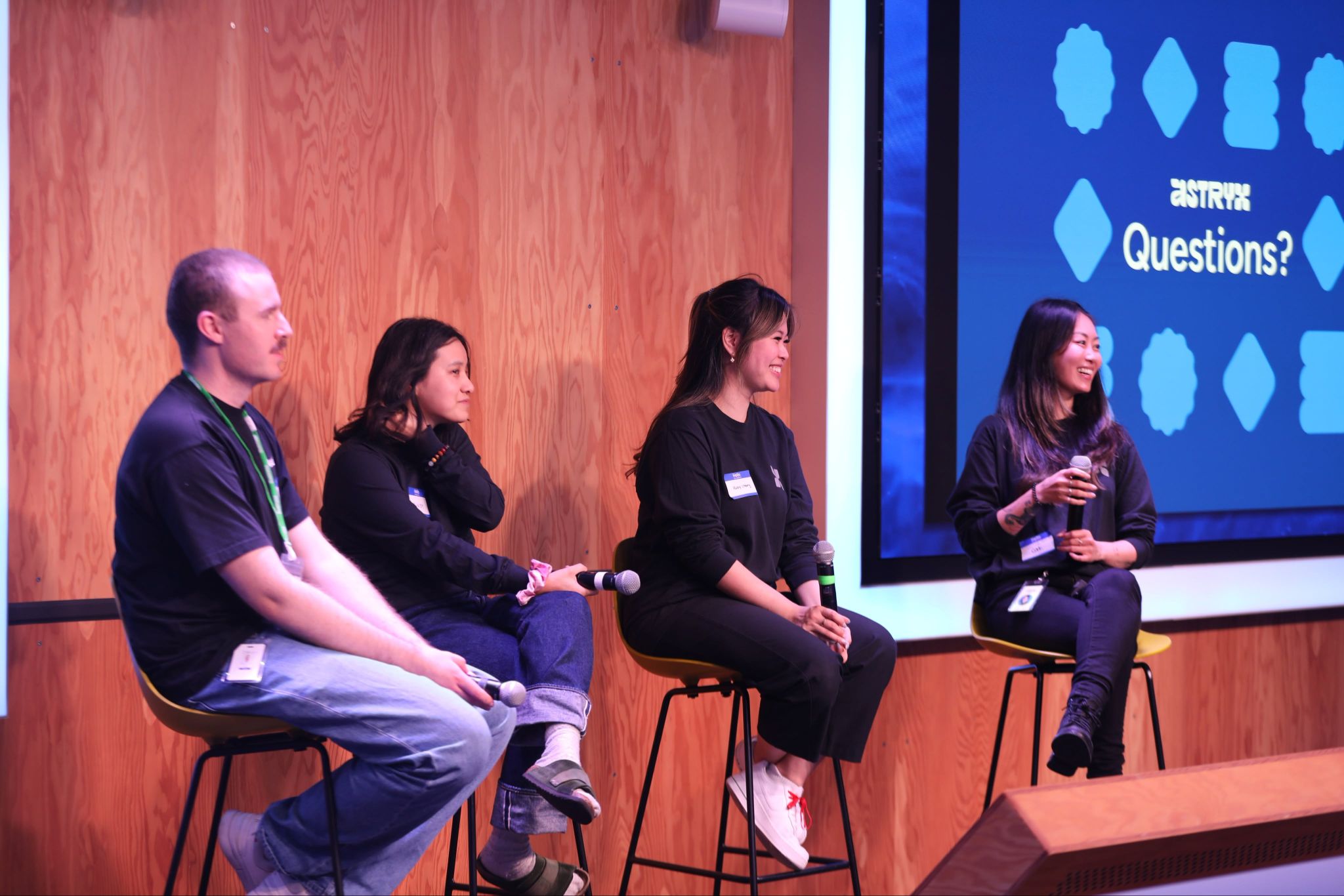
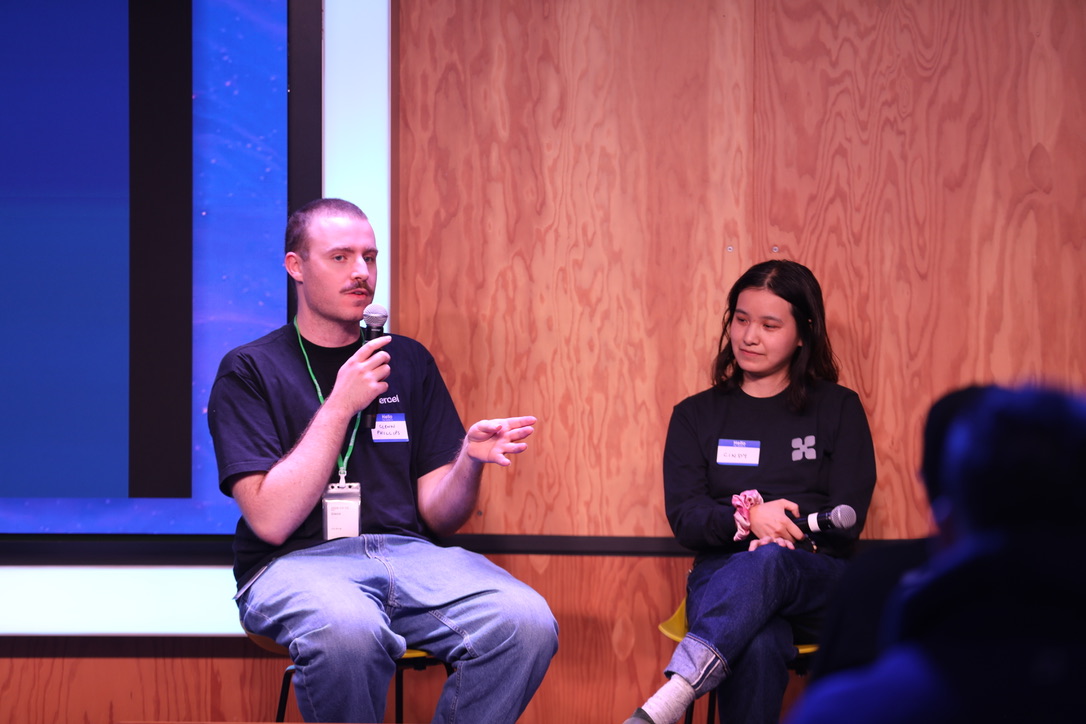
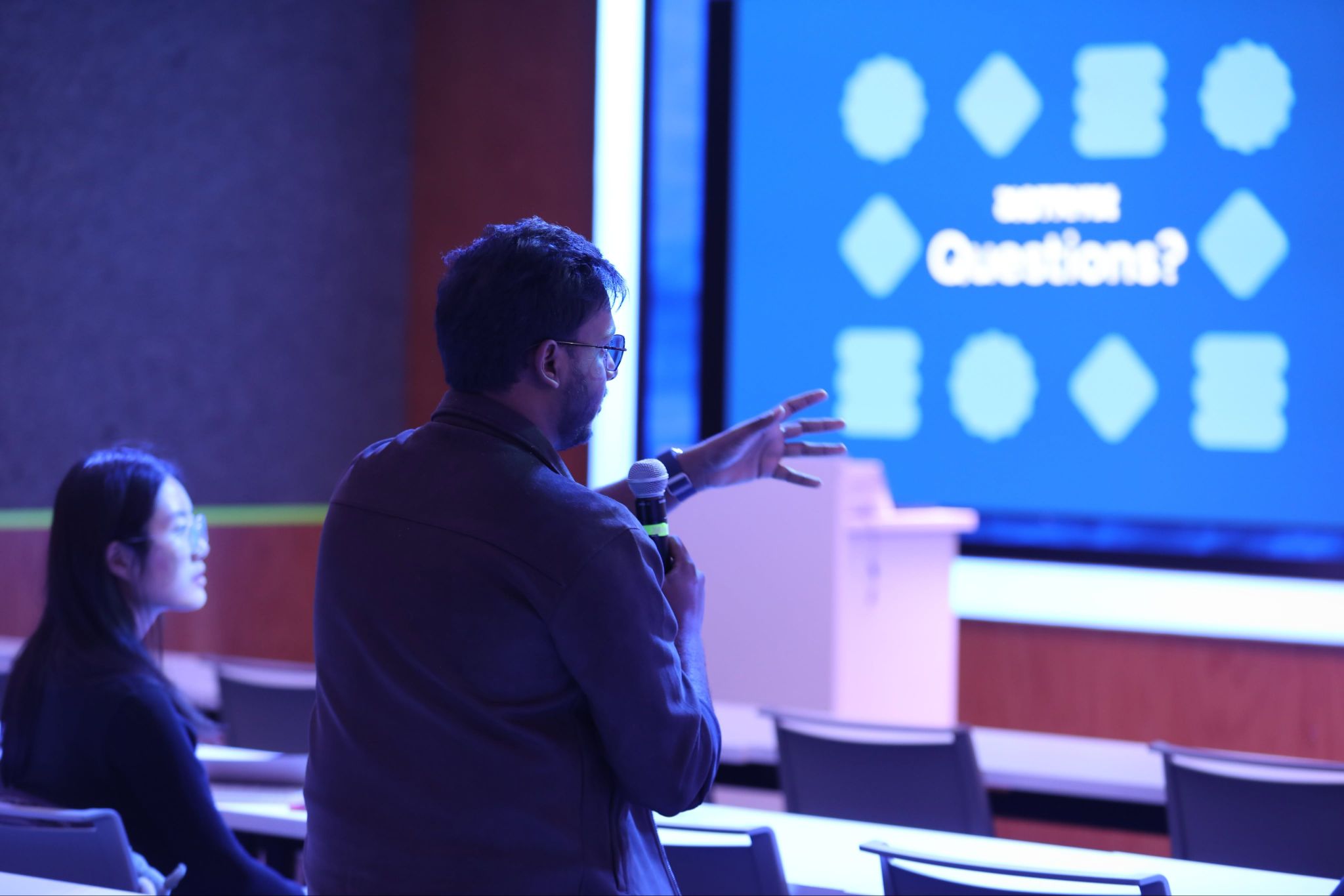
For the Q&A portion of the event, members of the Astryx team were joined by a guest panelist from Vercel for a broader conversation about how these ideas are playing out in practice. The discussion explored how builders’ roles are changing as agents move from intent to interface, how teams distinguish model, design-system, and workflow failures, as well as where responsibility should sit across design systems, agent platforms, and product teams. Questions and examples from the audience added perspectives from across the design-systems community.
One takeaway connected the evening's conversations: faster generation does not make shared systems less important. It raises the value of making product intent, valid choices, and quality signals explicit. When a problem can be repeated across many generated interfaces, improving the shared source can make every result that follows stronger.

Thank you to everyone who joined us, asked questions, and shared what you are seeing in your own work. Those perspectives will continue to shape how we build Astryx, and how we think about the evolving relationship among people, agents, and design systems.
Astryx is open source. Explore the system, try it with your own workflows, and contribute at astryx.atmeta.com and github.com/meta/astryx.
AICommunityDesign systems